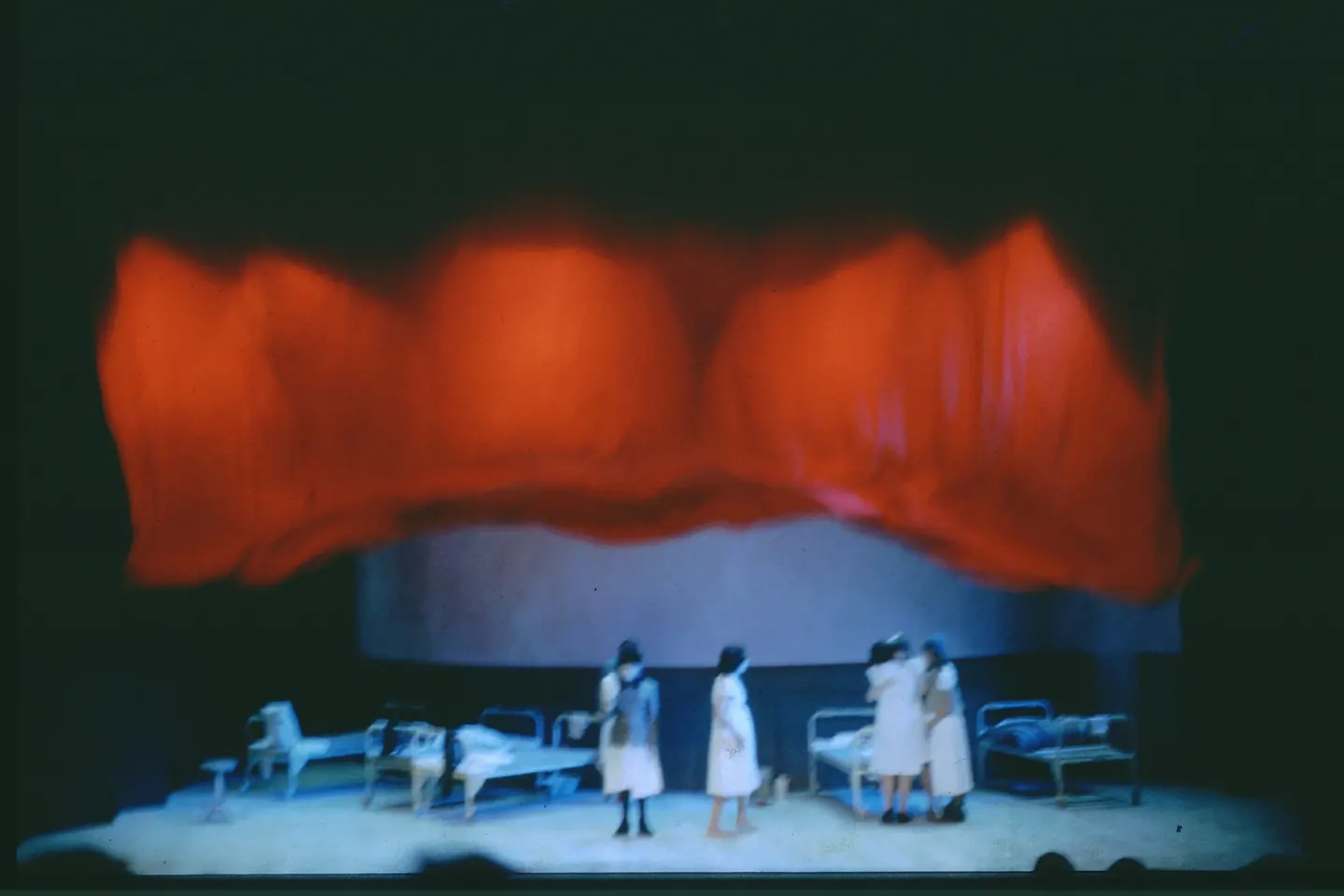
The Decameron of Women
Audience's Award for Best Performance Nomination
Texts
About
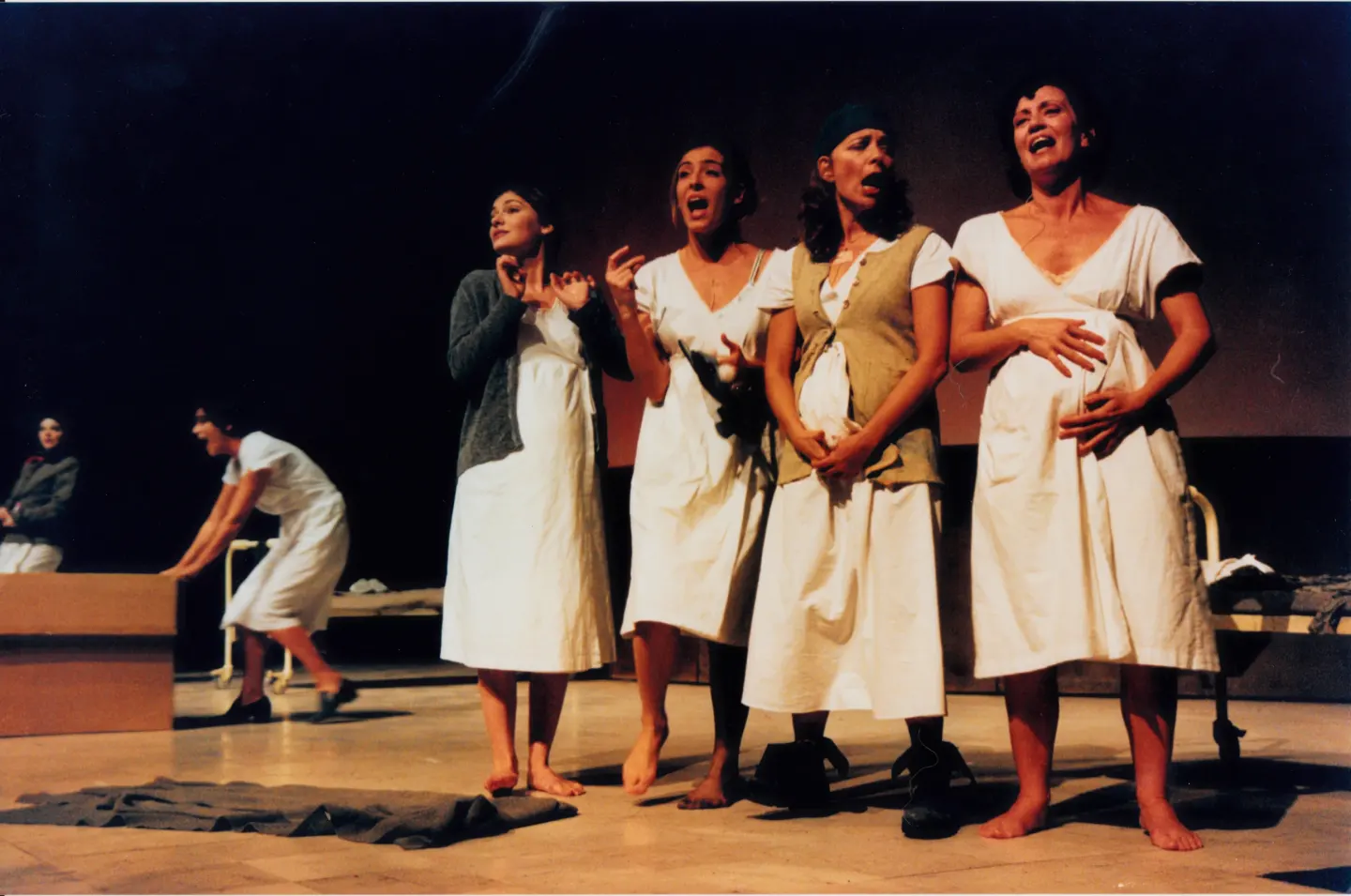
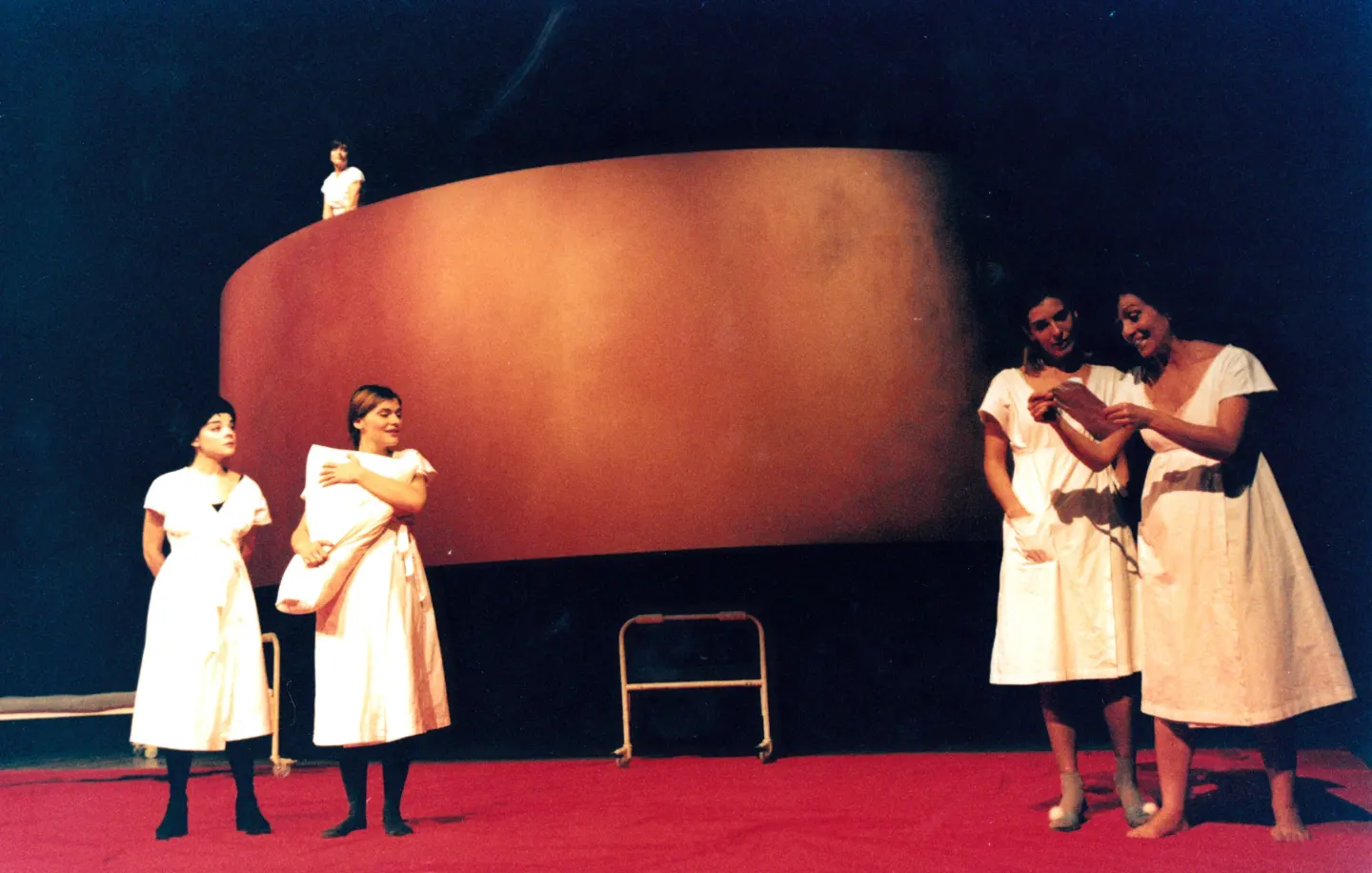
The Decameron of Women by Julia Voznesenskaya. Storytelling from the Soviet Union of the 70’s, combining live music and devised scenes by a female cast of six. Adapted for the stage by Elli Papakonstantinou, Julia Voznesenskaya’s Russian women are cunning and savvy—about all facets of the Soviet system. They know how to beat it and how to endure. Quarantined in a Leningrad maternity ward after giving birth, ten women from all walks of Soviet life amuse themselves by telling stories—stories that provide an astonishingly intimate and dramatic insight into the lives of Russia today.
Beneath their gossip runs the stark reality of a society torn apart by suicide, divorce, and alcoholism; by the difficulties of finding food and a place to live; by the threat of harrowing imprisonment.
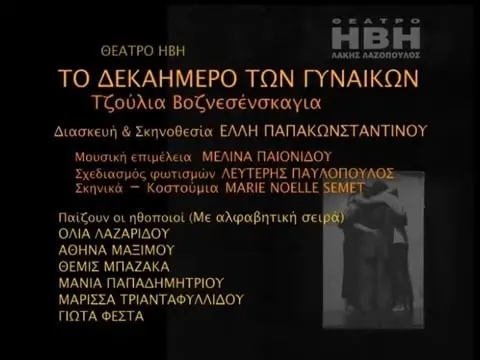
Credits
By: Julia Voznesenskaya
Translation: Lia Voutsopoulou
Direction + Adaptation: Elli Papakonstantinou
Performers: Themis Bazaka, Yota Festa, Olia Lazaridou, Athina Maximou, Mania Papadimitriou, Marisha Triantafyllidou
Music Coaching: Melina Paionidou
Set + Costume Design: Marie-Noëlle Semet
Choreography: Vikos Nahmias
Lighting Designer: Lefteris Pavlopoulos
Assistant Director: Froso Mastrokalou
Assistant Set Designer: Ioannis Michaloudis
Assistant Lighting Designer: Sakis Birbilis
Dates
Videos
The Decameron of Women - trailer
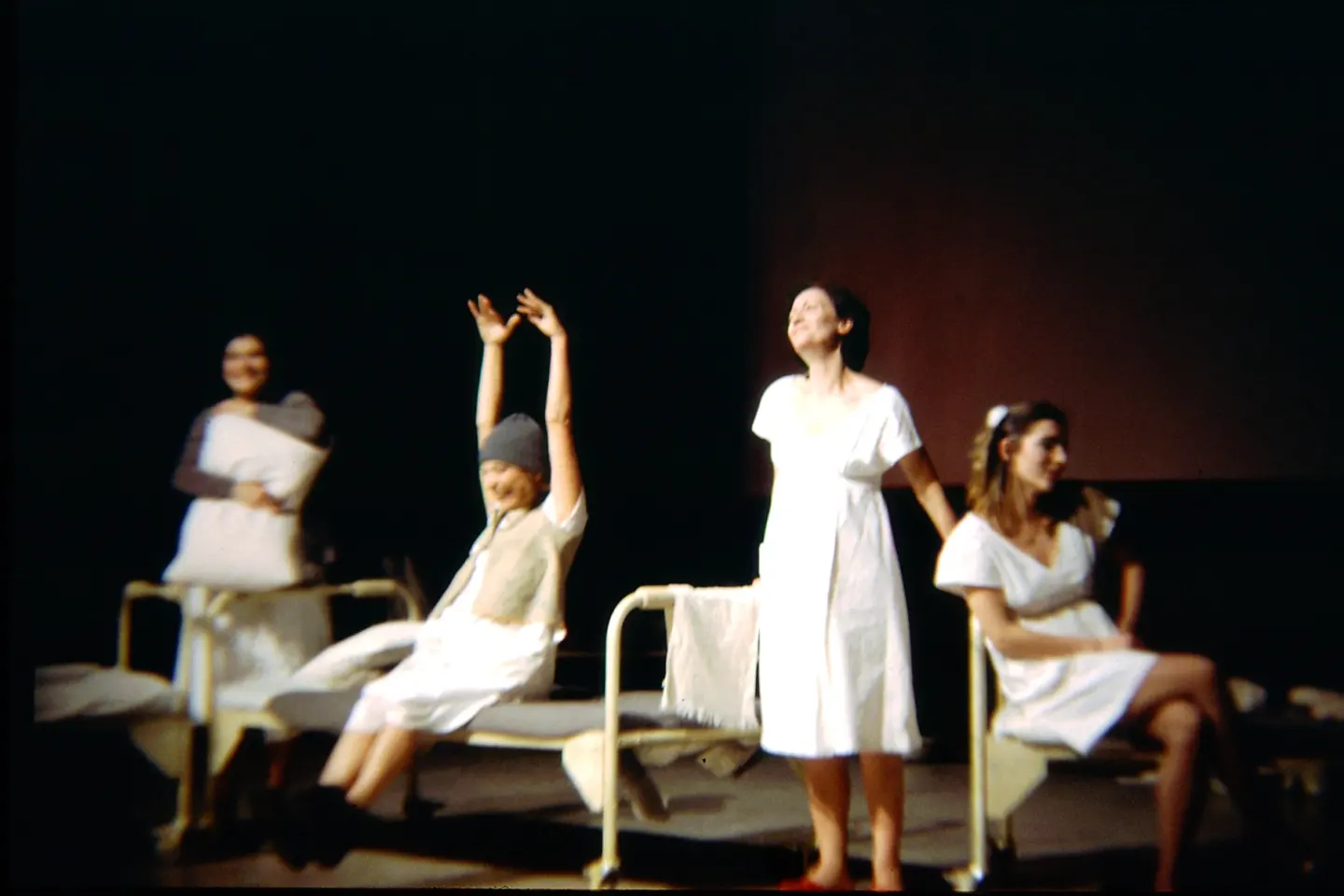
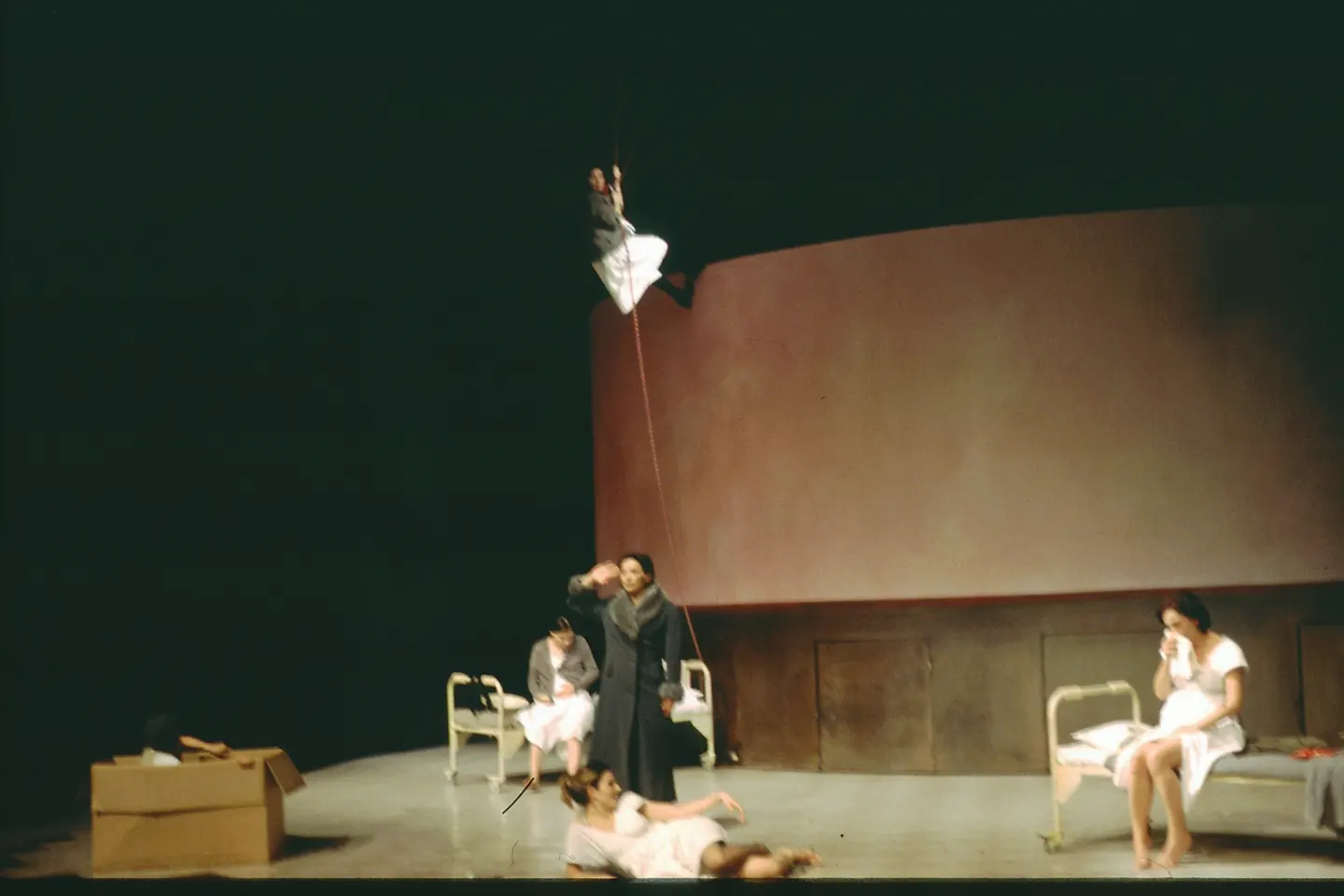
Gallery: The Decameron of Women
Reviews
Minas Christidis, Eleftherotypia
Take good note of this name: The entrance of Elli Papakostantinou in the Greek theatre is dynamic and impressive…
Anna Fragoudaki, Prof. of Philosophy, University of Athens, Ta Nea : Prosopa
The performance is brilliantly directed by Elli Papakostantinou…
With a minimalist and inventive scenography, a playful use of the lights, a very successful use of the music… The actresses just with the use of fragmented monologues, succeeded in building complete characters, to the extent that one identifies with them, even when the social status is unfamiliar and unbecoming[…]